
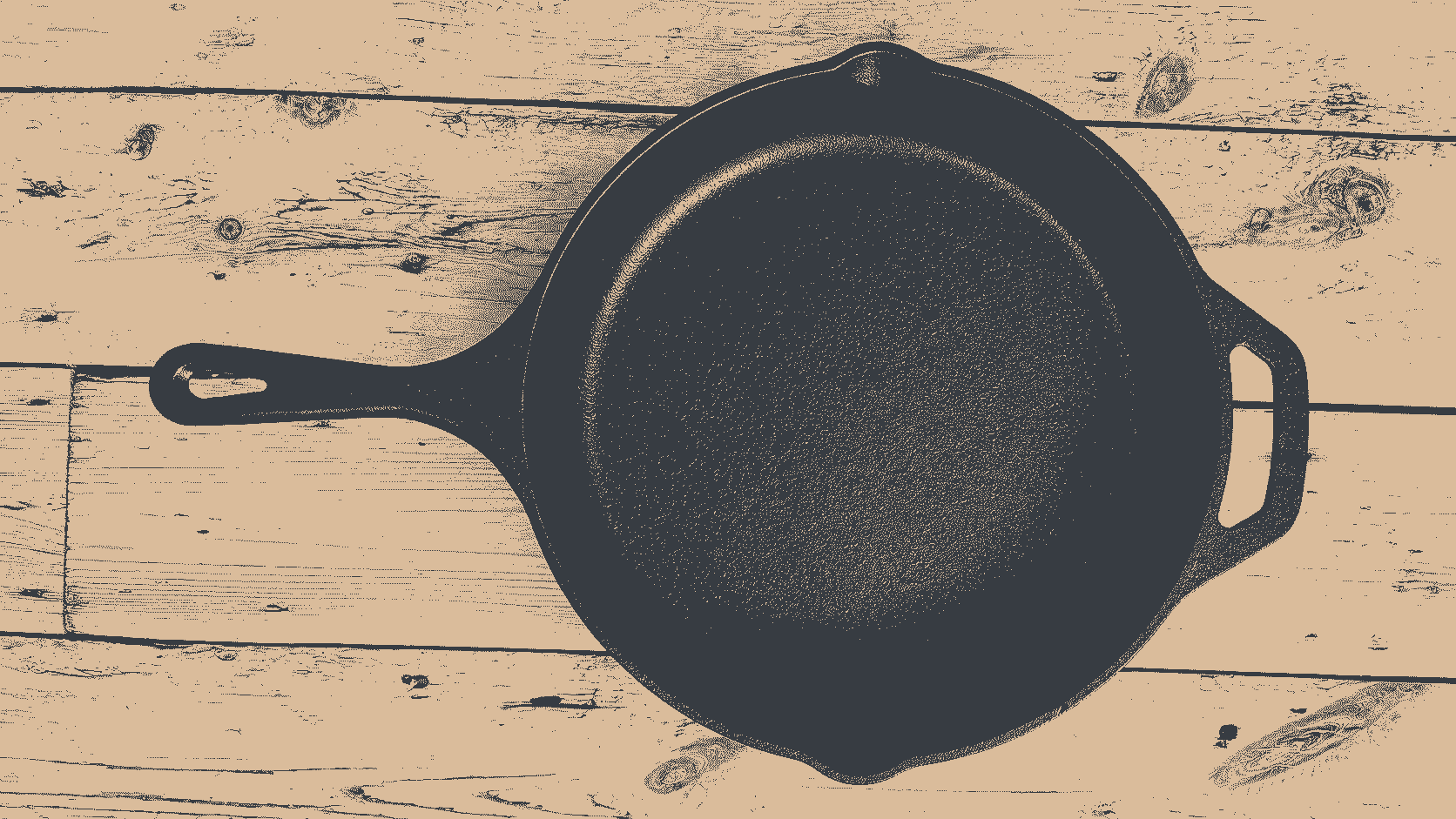
Building a practical kitchen does not require dozens of pots and pans. For many home cooks, two well-chosen pieces of cast iron cookware can handle a wide range of everyday meals, from fried eggs and seared vegetables to slow-cooked dishes and homemade bread. The key is choosing a combination that offers versatility without taking up unnecessary storage space or stretching your budget.
For most kitchens, a cast iron skillet paired with a Dutch oven or a versatile combo cooker is a smart starting point. A skillet excels at frying, browning, and searing, while a Dutch oven handles soups, stews, and braised meals. A combo cooker can be an attractive alternative for people who want multiple cooking functions from a compact set.
The best two-piece combination ultimately depends on your cooking habits, household size, and preferred recipes. Understanding how each piece works can help you make a more informed decision.
Why Two Pieces of Cast Iron Can Be Enough
Cast iron is valued for its durability, heat retention, and versatility. When preheated properly, it holds heat well, making it useful for browning ingredients and cooking meals that benefit from consistent temperatures.
Choosing two complementary pieces also helps avoid unnecessary spending. Instead of buying a large cookware set with items you may rarely use, you can invest in equipment that serves different purposes.
A useful two-piece combination should cover several cooking methods, fit your available storage space, and suit the meals you prepare most often. It should also be manageable to lift, clean, and maintain.
For example, a skillet can handle breakfast and quick dinners, while a deeper covered pot can prepare family meals that require longer cooking times. Together, these pieces can reduce the need for additional cookware.
The Best All-Round Combination Is a Skillet and Dutch Oven
For households that prepare a variety of meals, a cast iron skillet and Dutch oven make a particularly practical pairing. Each piece has a distinct purpose, so they complement rather than duplicate one another.
Why a Cast Iron Skillet Belongs in Every Kitchen
A cast iron skillet is designed for cooking that benefits from a broad, open surface. It is suitable for frying eggs, browning meat, sautéing vegetables, preparing burgers, and making cornbread.
Its relatively shallow sides allow moisture to escape easily, helping ingredients develop a browned surface instead of simply steaming. A skillet can also be used for oven-based recipes, provided the cookware is suitable for the intended temperature and cooking method.
Another advantage is its everyday convenience. You can use it for a quick breakfast, a simple lunch, or a one-pan dinner without needing a large pot.
When selecting a skillet, consider its diameter, weight, handle design, and cooking capacity. A smaller pan may be easier to handle for individual portions, while a larger skillet provides more room for family meals.
What a Dutch Oven Adds to the Combination
A cast iron Dutch oven fills the gaps that a skillet cannot. Its deeper body and lid make it suitable for cooking dishes that require liquid, longer cooking times, or moisture retention.
Common uses include soups, stews, curries, braised meat, beans, and slow-cooked vegetables. Many Dutch ovens can also be used for bread baking, depending on their design and manufacturer instructions.
A Dutch oven is especially useful for one-pot meals. You can brown ingredients, add liquid and seasonings, and continue cooking in the same vessel. This simplifies preparation and can reduce the number of pans that need washing.
For families or people who enjoy batch cooking, its capacity can be particularly valuable. However, larger models may be heavy, so choose a size that matches your usual portions and storage arrangements.
When a Combo Cooker Is the Smarter Choice
Although a skillet and Dutch oven provide excellent versatility, a cast iron combo cooker may be better for certain kitchens. Many combo cookers consist of a deeper base and a skillet-shaped lid that can be used separately or together.
This design provides several cooking options without requiring two entirely separate purchases.
The skillet-shaped component can be used for frying, searing, and other shallow-pan tasks. When assembled, the pieces create a covered cooking vessel that can help retain moisture and heat.
Combo cookers are particularly popular with home bread bakers. A covered cooking environment can trap steam during baking, helping create a crisp crust on suitable loaves.
They can also be useful in smaller kitchens because the pieces are designed to work together and may stack conveniently.
However, capacity matters. A combo cooker may not provide the same depth or volume as a dedicated Dutch oven. If you regularly prepare large batches of soup or substantial family stews, a separate Dutch oven may be more practical.
Choosing the Right Two-Piece Combination for Your Lifestyle
The smartest cookware combination is not necessarily the most expensive or the one with the most features. It is the pairing that supports your regular cooking routine.
For Beginners and Everyday Home Cooks
A skillet and Dutch oven are a dependable starting point. The skillet handles quick meals, while the Dutch oven provides an option for more involved recipes.
This combination is suitable for people who want to learn different cooking techniques without purchasing an extensive cookware collection.
For Small Kitchens and Limited Storage
A compact skillet paired with a combo cooker can be a useful alternative if you value flexibility and efficient storage.
Before buying, check the dimensions of both pieces and consider where they will be stored. Cast iron is heavy, so a convenient storage arrangement is important, particularly if you use the cookware frequently.
For Bread Bakers
If homemade bread is a regular part of your routine, a combo cooker may offer more value than a conventional skillet and Dutch oven pairing.
Its covered design can help create the steam needed for baking certain breads. Check the manufacturer's maximum temperature, lid configuration, and oven-safety instructions before using it for this purpose.
For Families and Batch Cooking
A skillet and a larger Dutch oven often make the most sense for households that prepare multiple portions.
The skillet can handle meat, vegetables, and side dishes, while the Dutch oven can prepare soups, stews, casseroles, and meals for later use.
Choose capacities based on the amount of food you typically cook rather than purchasing the largest available options automatically.
How to Get Better Value From Your Cast Iron Purchase
Price is an important consideration, but long-term usefulness matters just as much. A budget-friendly combination should provide the right balance of functionality, durability, and ease of care.
Start by identifying the meals you prepare most often. If you mainly fry and sear ingredients, prioritise a good skillet. If your cooking involves soups, sauces, and slow-cooked dishes, a Dutch oven may be more valuable.
Next, compare the specifications of each piece. Look at the diameter, capacity, weight, handle design, lid fit, and compatibility with your hob or oven.
Consider whether the cookware comes pre-seasoned. Pre-seasoned cast iron is ready for initial use according to the manufacturer's instructions, although regular maintenance is still important. Uncoated cast iron generally requires seasoning to help protect its cooking surface.
It is also worth considering whether a bundle offers genuinely complementary pieces. Paying for two pans that perform nearly identical tasks may be less useful than selecting cookware with different strengths.
You can review available cast iron cookware options here.
https://utopia.co.uk/collections/cast-iron
Compare the available product details carefully to identify a combination that matches your cooking needs, available space, and budget.
Essential Cast Iron Care for Long-Term Use
Cast iron can remain useful for many years when maintained correctly. Establishing a simple care routine helps protect your investment and keeps the cookware ready for regular use.
For uncoated cast iron, clean the pan after cooking, dry it thoroughly, and apply a thin layer of cooking oil when appropriate. Leaving moisture on the surface for long periods can encourage rust.
Follow the manufacturer's instructions for seasoning, cleaning, and temperature limits. Avoid heating cast iron too quickly, as gradual preheating helps distribute heat more evenly.
Enameled cast iron requires different care. Use cleaning methods and utensils suitable for its coating, and avoid sudden temperature changes that may damage certain products.
Always use oven gloves when handling hot cookware, including handles that may appear cool during stovetop cooking. Store the pieces in a dry location and protect the cooking surfaces from unnecessary damage.
These straightforward habits help preserve the cookware's performance and reduce the likelihood of needing replacements.
Common Mistakes to Avoid When Buying Cast Iron
One common mistake is choosing cookware based only on price. A low-cost item may not provide the size, capacity, or functionality you need.
Another mistake is buying oversized cookware for a small household. Larger pieces can be harder to lift, clean, and store, particularly when filled with food.
Some buyers also underestimate maintenance requirements. Bare cast iron needs appropriate care, while enameled cookware has its own cleaning and handling considerations.
Finally, avoid assuming that every cast iron product is suitable for every cooking method. Check the manufacturer's guidance for oven use, temperature limits, hob compatibility, and any restrictions on lids or handles.
Making these checks before purchasing helps ensure that your two-piece combination is practical for your kitchen.
Frequently Asked Questions
What is the best two-piece cast iron combination?
For most households, a cast iron skillet and Dutch oven provide a useful balance of everyday frying, searing, slow cooking, and one-pot meals. A combo cooker may be a better choice for people who prioritise bread baking and compact storage.
Can two cast iron pans replace a full cookware set?
Two complementary pieces can handle many everyday recipes, although they will not replace every specialised pan. Your cooking habits determine whether additional cookware is necessary.
Is a cast iron skillet better than a Dutch oven?
Neither is universally better. A skillet is ideal for frying, browning, and searing, while a Dutch oven is better for liquid-based recipes, braising, and slow cooking.
How long does cast iron cookware last?
Well-maintained cast iron can last for decades. Its lifespan depends on the quality of the cookware, how it is used, and whether cleaning and storage instructions are followed.
Final Thoughts
The smartest two-piece cast iron combination is one that gives you different cooking capabilities without adding unnecessary expense or clutter. For most kitchens, a skillet and Dutch oven offer the best all-round versatility, covering quick meals, searing, soups, stews, and slow-cooked recipes.
A combo cooker is worth considering if you prefer a compact arrangement or regularly bake bread. Before deciding, evaluate your cooking habits, household size, available storage, and maintenance preferences.
By choosing complementary pieces and caring for them properly, you can build a practical cookware collection that serves your kitchen for years to come.