
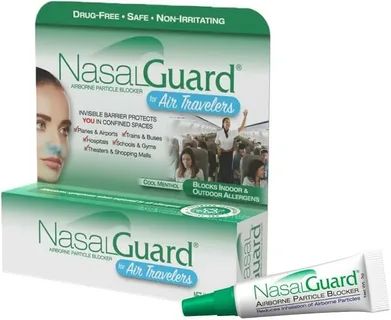
When it comes to protecting yourself from everyday germs, simple preventive habits can make a significant difference. Using an antiseptic gel for nose is becoming a popular addition to personal hygiene routines, especially during cold and flu season. An antiseptic gel for nose helps create a protective barrier inside the nasal passages, where many airborne germs first enter the body. Combined with healthy habits, it offers an extra layer of daily protection against environmental contaminants.
Why the Nose Is the First Line of Defense
The nose plays a critical role in filtering the air you breathe every day. Tiny hairs and mucus trap dust, allergens, bacteria, and viruses before they reach the lungs. However, constant exposure to crowded places, public transportation, schools, and workplaces increases the number of germs entering the nasal passages. Supporting your body's natural defenses with proper nasal care helps maintain healthy breathing while reducing exposure to unwanted microorganisms.
Understanding How an Antiseptic Nasal Gel Works
An antiseptic nasal gel is specially formulated to coat the inside of the nostrils with a protective layer. This coating helps trap airborne particles before they travel deeper into the respiratory system. Unlike medications that treat illness after symptoms appear, nasal gels focus on prevention. They are designed for regular daily use and complement other hygiene practices such as hand washing and wearing masks during periods of increased illness transmission.
Benefits of Using an Antiseptic Gel Daily
Daily use of a nasal antiseptic gel provides several practical benefits. It helps moisturize dry nasal passages, making them less vulnerable to irritation. The protective layer may reduce contact between harmful particles and sensitive nasal tissues. Many people also appreciate the comfort of hydrated nasal passages, especially in dry climates or air-conditioned environments. Regular use supports healthy nasal hygiene without interfering with normal breathing.
Why Germs Often Enter Through the Nose
Many viruses responsible for seasonal illnesses first enter through the nose because it is constantly exposed to inhaled air. Every breath brings microscopic particles into contact with the nasal lining. When these germs settle inside the nose, they may multiply before causing symptoms. Protecting this entry point is an important part of a complete personal wellness strategy that includes good nutrition, hydration, exercise, and sufficient sleep.
Germ Blocker Nose Gel as an Everyday Companion
A germ blocker nose gel offers an easy solution for people who spend time in crowded environments. Whether commuting, shopping, attending meetings, or traveling, exposure to airborne germs increases throughout the day. Applying a nasal gel before entering busy locations creates an additional physical barrier that works alongside your body's natural filtration system. It is a convenient addition to modern daily hygiene routines.
When Should You Use a Nasal Protective Gel?
Many people choose to apply nasal gel before leaving home, especially when visiting crowded indoor spaces. It may also be useful before air travel, attending public events, or spending time in healthcare settings. Frequent travelers often appreciate having nasal protection available during long flights where cabin air can become dry. Regular application according to product directions helps maintain consistent protection throughout the day.
The Importance of Moisturizing Nasal Passages
Dry nasal passages are more susceptible to irritation caused by environmental pollutants and dry air. Moisturized tissues remain more comfortable and support the nose's natural filtering functions. Nasal gels not only provide a protective barrier but also help maintain proper moisture levels. This dual action improves overall nasal comfort while contributing to healthy respiratory wellness throughout changing seasons.
Combining Nasal Protection with Healthy Hygiene
Using a nasal gel should never replace standard hygiene practices. Instead, it works best as part of a complete wellness routine. Washing hands frequently, avoiding touching your face, maintaining clean indoor environments, and practicing respiratory etiquette all reduce the spread of germs. Together, these habits provide a stronger defense against seasonal illnesses and everyday environmental exposure.
How to Avoid Catching a Cold Naturally
Many people search for effective ways regarding how to avoid catching a cold during seasonal outbreaks. Maintaining a healthy immune system begins with balanced nutrition, regular physical activity, quality sleep, and proper hydration. Limiting exposure to sick individuals whenever possible also reduces risk. Adding preventive tools such as nasal protection supports these healthy habits and contributes to a more comprehensive wellness routine.
Cold and Flu Prevention Tips Everyone Can Follow
Following practical cold and flu prevention tips helps reduce the chances of becoming ill. Wash your hands thoroughly with soap, disinfect frequently touched surfaces, stay home when sick, and avoid close contact with infected individuals. Drinking enough water keeps mucous membranes functioning properly, while healthy meals provide nutrients that support immune health. Consistency is the key to long-term protection throughout the year.
How Air Quality Affects Nasal Health
Poor indoor air quality exposes the nose to dust, smoke, pollutants, and airborne particles every day. Heating and cooling systems may also dry nasal tissues, increasing discomfort. Using air purifiers, maintaining indoor humidity, and practicing proper ventilation improve air quality significantly. Healthy indoor environments reduce irritation while supporting the effectiveness of other protective measures used for everyday respiratory wellness.
Supporting Families During Cold and Flu Season
Families often experience higher exposure to germs through schools, daycare centers, workplaces, and community activities. Teaching children healthy hygiene habits encourages lifelong wellness. Regular hand washing, covering coughs, eating nutritious meals, and keeping frequently touched surfaces clean all contribute to healthier households. Parents who adopt preventive strategies help reduce illness transmission among family members throughout seasonal outbreaks.
Travel Smart with Extra Nasal Protection
Traveling exposes people to enclosed spaces shared with hundreds of passengers. Airports, airplanes, buses, and trains increase opportunities for airborne germ exposure. Carrying personal hygiene essentials, drinking enough fluids, and using protective nasal products before travel help maintain comfort during long journeys. These simple precautions support respiratory wellness while allowing travelers to enjoy their trips with greater confidence.
Supporting Workplace Wellness
Busy offices bring employees into close contact with one another throughout the day. Shared workstations, conference rooms, elevators, and break areas increase exposure to common germs. Encouraging preventive habits within the workplace promotes healthier teams and fewer interruptions caused by seasonal illnesses. Employees who combine good hygiene practices with personal preventive products contribute to a safer and more productive work environment.
Choosing the Right Nasal Hygiene Routine
A successful nasal hygiene routine focuses on consistency rather than complexity. Gently cleaning the nasal passages, staying hydrated, avoiding unnecessary irritants, and using quality nasal protection products help maintain healthy nasal tissues. Individuals with allergies or dry nasal passages may also benefit from moisturizing products that improve daily comfort while supporting the nose's natural defense mechanisms against airborne particles.
Why Prevention Is Better Than Treatment
Preventive care often requires less effort than recovering from illness. Building healthy daily habits reduces exposure to germs before symptoms develop. Small actions performed consistently—including using protective nasal products, eating nutritious foods, exercising regularly, and practicing proper hygiene—create meaningful long-term benefits. Prevention empowers individuals to stay active, productive, and healthier throughout every season of the year.
Conclusion
Protecting your respiratory health begins with simple daily choices. An antiseptic gel for nose offers an additional layer of defense by supporting the nose's natural ability to filter airborne particles while helping maintain comfortable, moisturized nasal passages. When combined with an antiseptic nasal gel, a germ blocker nose gel, healthy lifestyle habits, guidance on how to avoid catching a cold, and practical cold and flu prevention tips, you create a comprehensive approach to everyday wellness. For reliable nasal protection solutions, NasalGuard provides an effective option to support your daily preventive routine.